Adapting To The Global Marketplace How To Sell Camping Tents Online
Water-proof Gear List for CampersThere is absolutely nothing fairly like awakening in a camping tent while rainfall hammers the roofing-- unless your resting bag is saturated, your boots are flooded, and your phone is dead. Damp equipment does not simply destroy comfort; it can turn an enjoyable journey into an authentic safety risk. Whether you are heading right into the backcountry for a week or car outdoor camping over a vacation, having the right waterproof gear can be the difference between a miserable hideaway and a memorable adventure. Utilize this list to ensure you are totally prepared before your following trip.
Why Waterproofing Matters More Than You Think
A lot of campers pack for the weather report, except the weather reality. Conditions in the wilderness change quick-- clear skies in the morning can come to be a rainstorm by noon. Past rain, you encounter dew, river crossings, muddy routes, and condensation inside your camping tent. Moisture monitoring is not a high-end upgrade; it is a core part of journey planning. Remaining dry maintains your body temperature managed, your gear useful, and your morale undamaged.
Shelter and Rest System
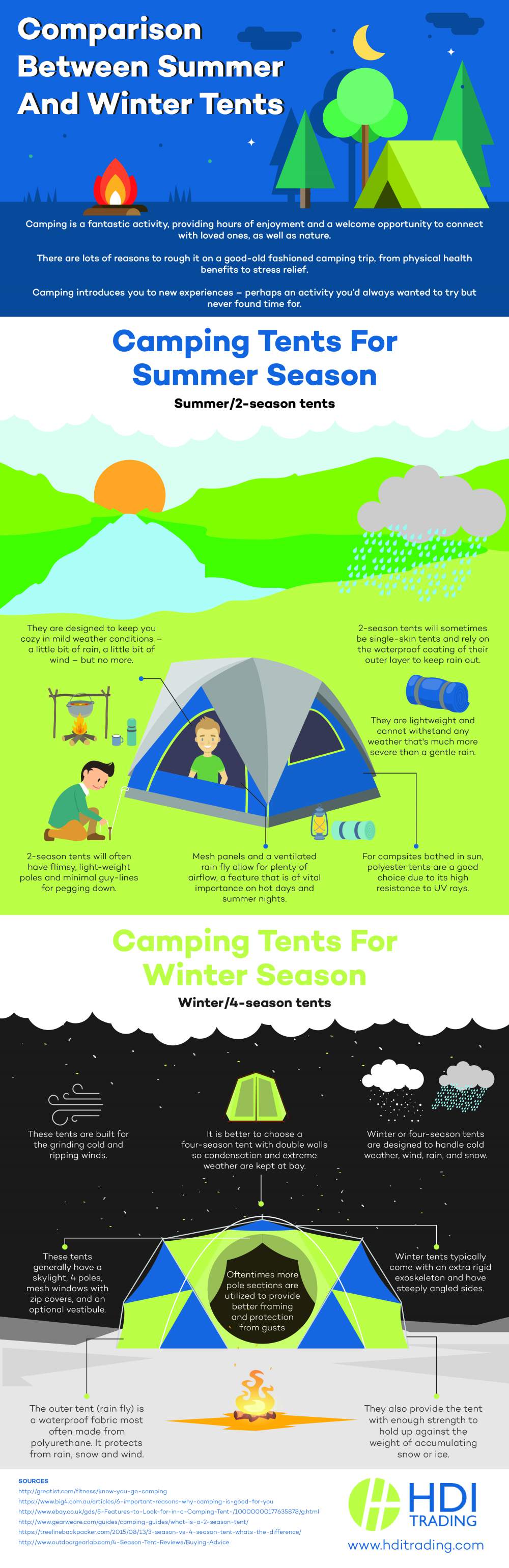
Your tent is your initial line of protection. A high quality tent must have a full-coverage rainfly that gets to close to the ground, taped or secured seams, and a bathtub-style flooring to keep groundwater out. Before every journey, check that your seam sealant is still intact-- it breaks down over time and needs reapplying.
Outdoor tents Essentials
- A rainfly with complete coverage and guy-line accessory factors
- A ground cloth or footprint to secure the tent floor
- Seam-sealed or factory-taped construction
- A vestibule area for saving wet boots and packs
Your resting bag deserves equal focus. Down insulation loses all warmth when damp, so either pick a sleeping bag with hydrophobic down or select a synthetic fill that keeps warmth even when moist. Shop your bag inside a completely dry sack every evening.
Apparel and Layering
Wet cotton is a camper's worst opponent. It remains damp, drains temperature, and takes forever to dry. Your garments system ought to be built around moisture-wicking base layers, protecting mid-layers, and a waterproof covering ahead.
Rain Gear List
- Water resistant jacket with sealed seams and a flexible hood
- Water resistant trousers or rainfall chaps for lower-body protection
- Moisture-wicking base layers in merino wool or synthetic materials
- Waterproof or waterproof handwear covers
- A warm hat that stays functional when damp
Do not neglect gaiters if you are hiking with hefty underbrush or going across damp fields. They secure your reduced legs and aid maintain water from encountering your boots.
Footwear
Wet feet create sores, locations, and in chilly problems, severe danger of trenchfoot. Waterproof treking boots with a Gore-Tex or similar membrane liner deserve the investment. Couple them with wool or artificial socks-- never ever cotton-- and bring at least one extra set to revolve through.
Camp shoes or shoes are also clever for around the camping area so your main boots can dry out overnight. Keep an extra pair of completely dry socks sealed in a water resistant bag at all times.
Load and Gear Protection
Even a pack classified "water immune" is not waterproof. Rain cover your knapsack and line the inside with a durable trash compactor bag. Dry sacks and water resistant things sacks are ideal for organizing equipment by classification-- rest system, apparel, electronics, food-- so you can get what you require without exposing whatever to dampness simultaneously.
Storage space Essentials
- Load rainfall cover sized for your backpack
- Heavy-duty lining bag or completely dry sack for the pack interior
- Smaller completely dry sacks for electronic devices, documents, and fire-starting products
- Water-proof map situation or laminated maps
- Water-proof things sack for your sleeping bag
Electronic devices and Navigating
Cameras, headlamps, GPS devices, and phones are all at risk to moisture. Use water-proof cases or dry bags for all electronics. Lots of headlamps and general practitioners units are rated water-resistant however not water resistant-- recognize the distinction and safeguard them as necessary. Lug paper maps as a backup.
Final Examine Prior To You Head Out
Go through this listing the evening before you leave, not the how to waterproof canvas tent morning of your separation. Reapply DWR spray to your rain jacket and pants if water no longer beads externally. Inspect your outdoor tents seams. Validate all completely dry sacks are sealed and evaluated. Load your fire-starting package-- suits, lighter, and fire paste-- in a totally water-proof container, due to the fact that a damp firestarter is useless when you need it most.
Staying dry in the backcountry is mostly an issue of prep work. With the right water resistant equipment packed and appropriately kept, you can enjoy the rain instead of dreading it.